
bathroom mirror video
Metal water valves are pivotal in the infrastructure of modern plumbing systems, acting as essential components that control the flow and pressure of water. These valves are crafted to meet rigorous standards of durability and reliability, making them a favorite among professionals in the plumbing and construction industries. Experience has shown that the material composition of metal water valves, such as brass, stainless steel, and cast iron, contributes significantly to their performance and longevity. Brass valves, known for their excellent thermal conductivity and corrosion resistance, are often recommended for residential settings. On the other hand, stainless steel valves provide superior strength and resistance to extreme temperatures, making them ideal for industrial applications. Cast iron valves, valued for their robustness, are frequently used in large-scale water distribution systems. Choosing the right metal water valve is crucial, as it influences not only the efficiency of the water system but also the safety and environmental sustainability of the setup. In terms of expertise, it’s important to consider several factors, such as the pressure rating, temperature range, and specific use-case scenarios. For instance, while gate valves are perfect for on-off control, globe valves offer precise regulation of flow, making them suitable for complex plumbing systems that require fine-tuned control. The authoritativeness of a good metal water valve is reflected in its certification and compliance with international standards, such as those from the American Society for Testing and Materials (ASTM) and the International Organization for Standardization (ISO). Valves that adhere to these standards assure users of their capability to withstand challenging conditions and deliver consistent performance over their lifespan. metal water valve Trustworthiness is equally vital when considering metal water valves. Products from established manufacturers come with warranties and extensive customer support, underscoring their commitment to quality and reliability. Installation and maintenance services offered by these manufacturers ensure that the valves function optimally from day one and are serviced promptly to prevent any operational hiccups. Moreover, advancements in technology have led to the integration of smart features in metal water valves, allowing users to remotely monitor and control their water systems. This innovation not only enhances the operational efficiency of the valves but also contributes to water conservation efforts by detecting leaks early and preventing water wastage. In summary, metal water valves are indispensable components that embody a blend of experience, expertise, authoritativeness, and trustworthiness. Whether for residential, commercial, or industrial purposes, the selection of the appropriate valve is key to ensuring a smooth and efficient water management system. As technology continues to evolve, so do these valves , offering smarter solutions and contributing to sustainable water use practices worldwide.
about
bathroom mirror video
When working with measuring tools , engineers need to understand the various different measuring tools available and their specific applications. High-quality engineering measuring tools are essential for precision work across multiple industries. This guide explores the fundamental types and uses of these critical instruments. Essential Measuring Tools for Precision Work Calipers - Versatile measuring tools that can take internal, external, and depth measurements with high accuracy • Micrometers - Precision engineering measuring tools capable of measuring to 0.001mm or better • Dial indicators - Critical for measuring small linear distances and checking alignment • Height gauges - Essential different measuring tools for vertical measurement and marking • Surface plates - Provide the reference plane for all precision measurements Specialized Engineering Measuring Tools Optical comparators - Project magnified silhouettes of parts for precise measurement and inspection • Coordinate measuring machines (CMMs) - Advanced engineering measuring tools for 3D measurement of complex parts • Bore gauges - Specialized different measuring tools for measuring internal diameters • Thread gauges - Essential for verifying thread pitch and profile accuracy • Surface roughness testers - Measure microscopic surface texture variations Choosing the Right Measuring Tools Consider measurement range - Select measuring tools appropriate for your expected size ranges • Evaluate accuracy requirements - Different applications demand different levels of precision from engineering measuring tools • Material compatibility - Ensure different measuring tools are made from materials suitable for your work environment • Frequency of use - Heavy-duty applications require more durable instruments • Calibration needs - Factor in maintenance requirements for ongoing accuracy Proper Use and Maintenance of Measuring Tools Always handle precision measuring tools with care to maintain accuracy • Store engineering measuring tools in protective cases when not in use • Clean different measuring tools properly after each use to prevent buildup • Follow manufacturer guidelines for lubrication and adjustment • Establish regular calibration schedules to ensure continued precision Engineering Measuring Tools FAQS Q: How do engineering measuring tools differ from general measuring tool types in industrial applications? A: Engineering measuring tools are designed for precision tasks like structural analysis or component fabrication, featuring higher accuracy standards (e.g., laser distance meters with ±1mm error) compared to general measuring tool s like tape measures. They often include specialized functions such as 3D scanning or thermal imaging, critical for complex engineering projects. Q: What are the most essential different measuring tools used by engineers in fieldwork? A: Engineers rely on tools like digital calipers for precise dimensions, total stations for surveying, and torque wrenches for mechanical installations. These different measuring tools cater to specific needs—for example, moisture meters for construction or oscilloscopes for electrical engineering—ensuring accuracy in diverse environments. Q: How does calibration impact the performance of engineering measuring tools versus standard measuring tools? A: Engineering measuring tools require frequent calibration (e.g., every 6–12 months) to maintain compliance with ISO standards, unlike basic measuring tool s. Neglecting calibration can lead to errors in projects like bridge construction, where even minor miscalculations pose safety risks. Calibration certificates also validate tool accuracy for regulatory audits. Q: Can digital engineering measuring tools integrate with software, and how does this benefit projects? A: Yes—tools like laser trackers sync with CAD software to automate data collection, reducing human error in measuring tool usage. This integration allows engineers to generate 3D models directly from field measurements, speeding up processes like architectural design or robotic arm calibration. Q: What safety considerations should engineers prioritize when using different measuring tools in hazardous environments? A: When using different measuring tools in settings like oil rigs or chemical plants, engineers must choose explosion-proof models (e.g., intrinsically safe pressure gauges). For high-voltage areas, non-conductive tools like fiberglass tape measures prevent electrical shocks, while thermal imaging cameras help detect hidden hazards without physical contact. Welcome to Storaen (Cangzhou) International Trading Co. – Where Precision Meets Possibility,Nestled in Botou, China’s crucible of casting excellence, we’re not just manufacturers—we’re architects of industrial innovation. For years, Storaen has forged a legacy of reliability, crafting cast iron welding platforms, measuring tools, gauges, and valves that redefine precision engineering. Our products aren’t just tools; they’re the backbone of global industries, from automotive giants to renewable energy pioneers. What sets us apart? Botou’s vibrant ecosystem of raw material artisans and technical virtuosos fuels our edge. Every cast iron platform bears the mark of Botou’s 2,000-year casting heritage, while our digital measuring tools blend ancient craftsmanship with cutting-edge tech. We don’t just meet standards—we shatter them, subjecting each product to 27 rigorous quality checks before it bears our name. But we’re more than a factory. We’re a partner in progress. Whether you need custom valves for deep-sea rigs or anti-corrosion gauges for chemical plants, our team of engineers turns challenges into solutions. Got a wild idea? Bring it on—our R&D lab thrives on the impossible. Ready to transform your operations? Dive into a world where “good enough” is a dirty word. Visit www.strmachinery.com to explore our precision universe. Let’s build something legendary—together.
-

High quality industrial productsagement

High quality industrial products
View Details -

Meet the diverse needs of customers

Meet the diverse needs of customers
View Details -

Strict quality control

Strict quality control
View Details -

Top raw materials

Top raw materials
View Details -

Trusted supplier

Trusted supplier
View Details
Our application
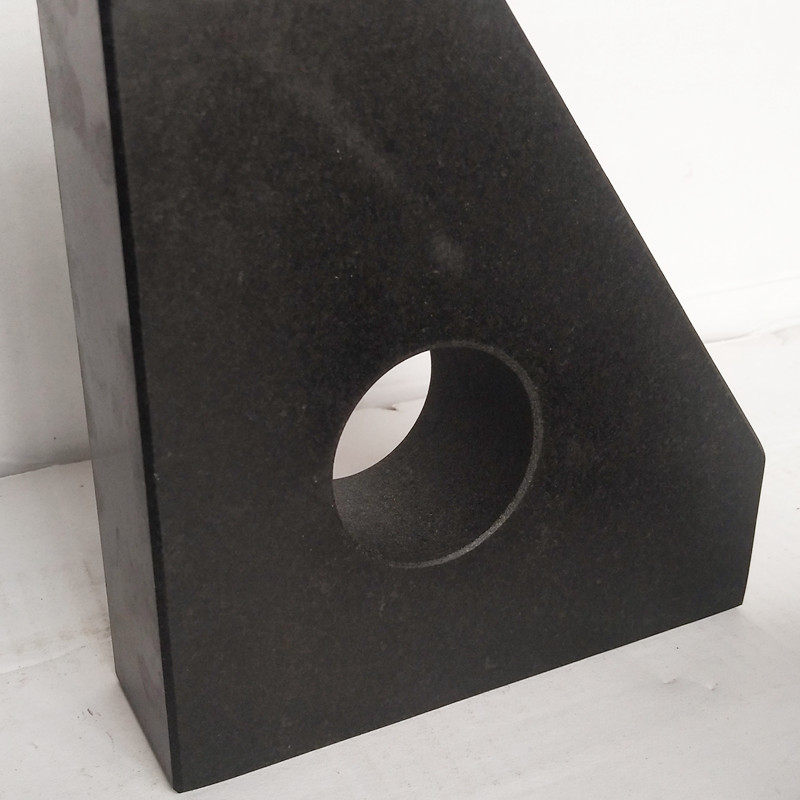
news and information

valve metal
The Significance of Valve Metals in Modern Technology Valve metals play a crucial role in various in
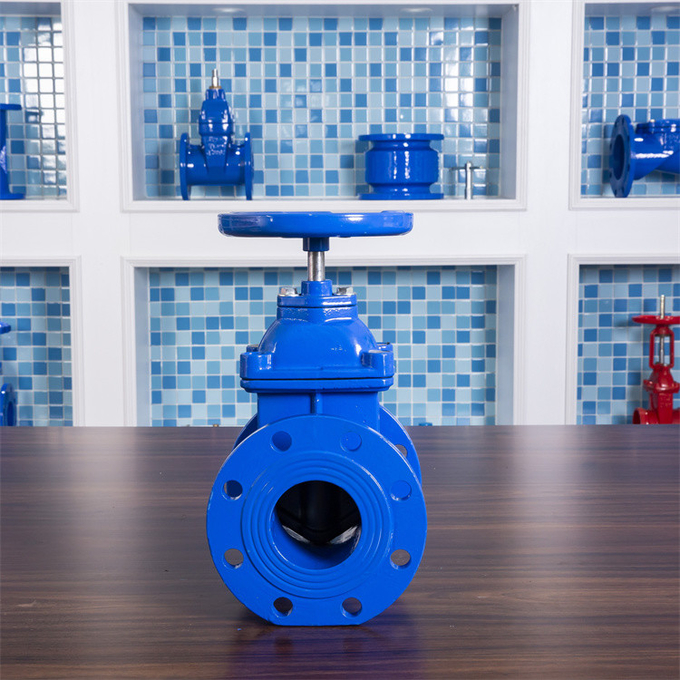
válvula de controlo
Válvulas de Controle Essencial para a Automação Industrial As válvulas de controle desempenham um pa
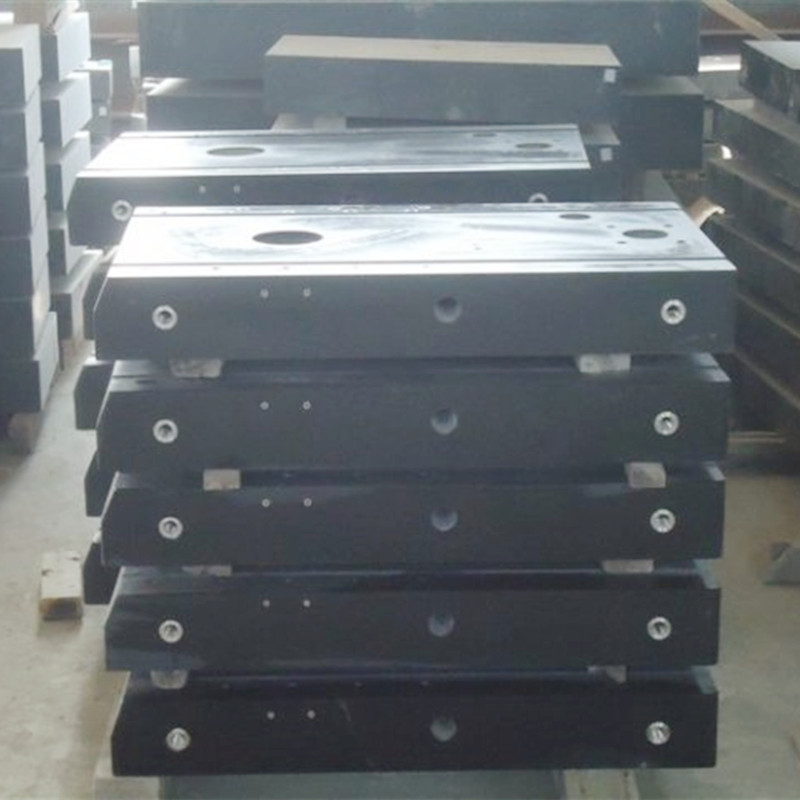
Various Types of Water Valves and Their Applications in Plumbing and Industrial Systems
Types of Water Valves An Overview Water valves are crucial components in plumbing and irrigation sys
 English